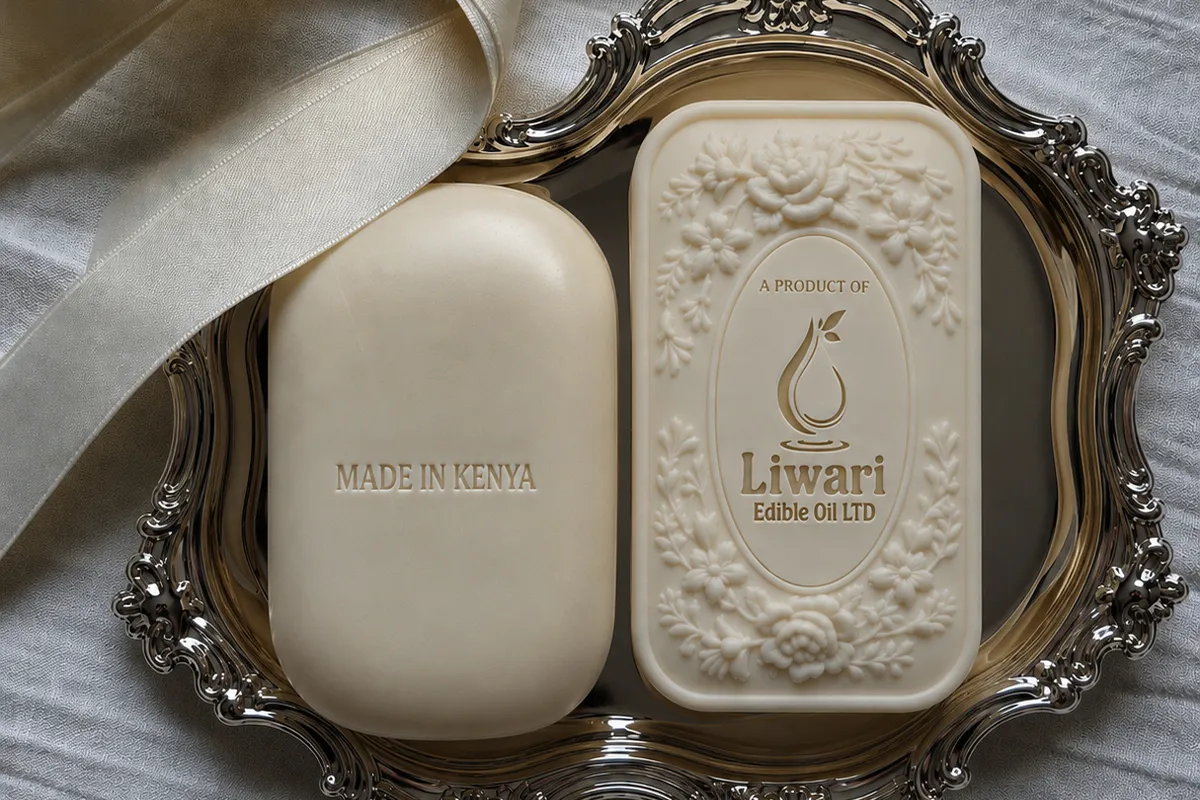
Have you ever wondered how your bar soap is made? Take a behind-the-scenes look at how Liwari bar soap goes from raw ingredients to the fresh, fragrant bar in your bathroom.
Step 1: Sourcing Quality Ingredients
Liwari starts with carefully selected oils, natural moisturizers, and skin-friendly ingredients. We source from trusted suppliers who meet our rigorous quality standards.
Step 2: Saponification - The Chemical Transformation
In our state-of-the-art facility, oils and lye are combined in precise proportions. This chemical reaction, called saponification, creates soap and glycerin. Natural glycerin is a humectant that draws moisture to your skin - we keep it in our formula rather than extracting it like many commercial soaps.
Step 3: Adding Beneficial Ingredients
After saponification, we add skin-nourishing ingredients, gentle fragrances, and natural colorants. Liwari bar soaps are formulated to clean effectively without stripping natural oils.
Step 4: Molding and Cutting
The liquid soap mixture is poured into molds and allowed to set. Once solid, automated cutting equipment precisely slices bars to their final weight - 100g, 150g, or 200g.
Step 5: Curing for Quality
Freshly cut bars undergo a curing period where excess water evaporates. This creates a harder, longer-lasting bar that won't dissolve too quickly in your shower.
Step 6: Quality Testing
Every batch of Liwari soap is tested for pH balance, hardness, lather quality, and moisture content. We ensure every bar meets our standards before packaging.
Step 7: Packaging and Distribution
Approved bars are wrapped in hygienic packaging and prepared for distribution. From our facility to stores to your home, Liwari soap maintains its quality and freshness.
The next time you reach for a bar of Liwari soap, you'll know the care and craftsmanship behind every single bar.